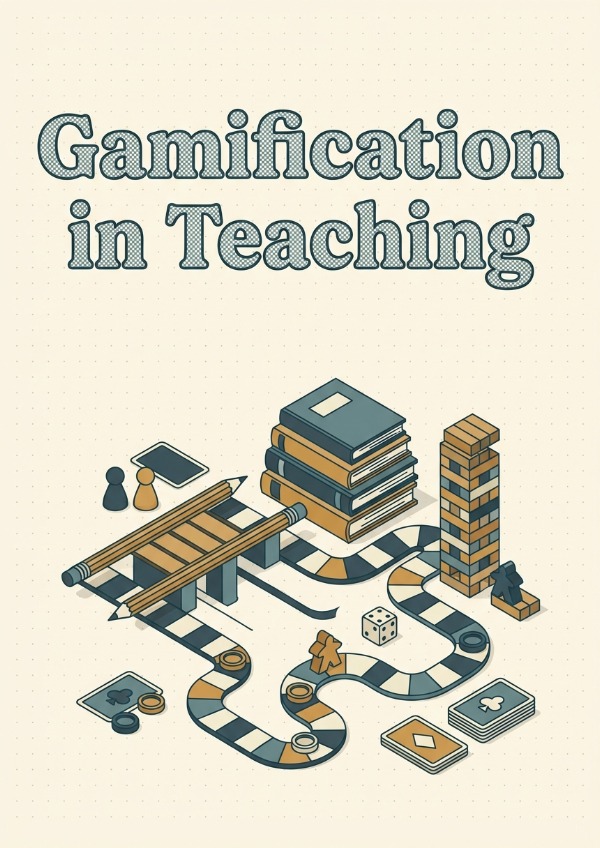
Gamification in Teaching
Last revised 10/8/2026

Gamification in Teaching

What it actually is, why it works, and how to design a gamified lesson without turning the classroom into a prize cabinet

Gamification has been one of the most over-promised and under-defined ideas in K-12 in the last decade. Most teachers know it as Kahoot rounds and ClassDojo points; most academic treatments lose teachers in self-determination jargon by the third paragraph. This collection cuts the middle ground — a working teacher's guide to the what, why, and how of applying gamification deliberately. Foundations first: what gamification actually is, what it isn't, and the seven elements that do the work. Then the evidence — motivation science in plain language, what the research really says, and the six ways a gamified classroom can backfire. Then the practice: a five-step lesson-design framework, no-tech strategies, an honest tool comparison, and grade-band adaptations from K-5 through high school. Closes with five classroom designs worth copying and a starter kit for your first thirty days. Written for teachers who want to use the method seriously, knowing what it builds, what it costs, and when to leave it alone.
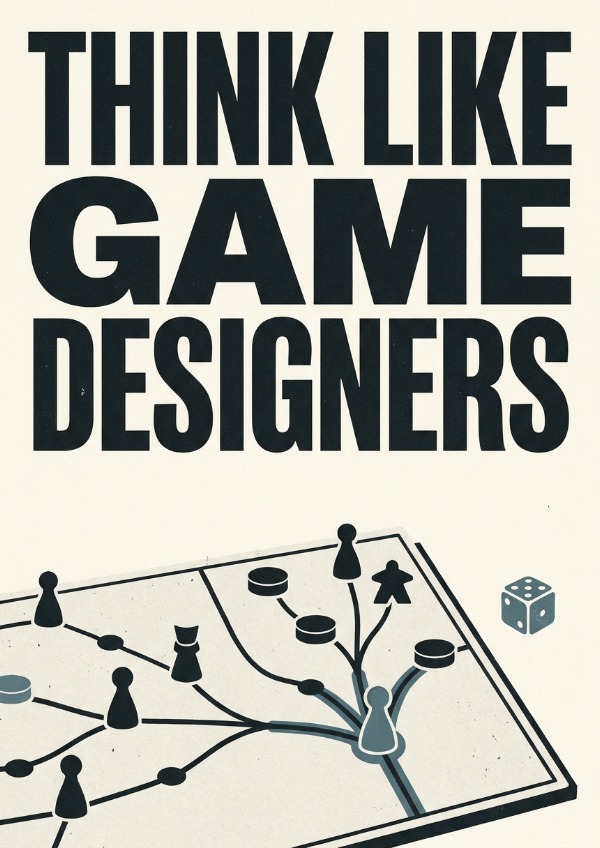
Field GuidePedagogy
Earn2CreditsinEducation
4Modules15Sessions170Cards36Quizzes

Modules in this Collection’s System

Foundations: What Gamification Is

What gamification actually means once you strip away the prize stores and Kahoot rounds — the seven building blocks, structural vs. content, and the minimum viable mix.

3Sessions

Why It Works (and When It Doesn't)

Motivation science in plain language, an honest read of the research, and the six ways a gamified classroom can quietly backfire.

3Sessions

Designing the Gamified Classroom

Lesson-design discipline, no-tech strategies, an honest tool comparison, and grade-band adaptations from elementary through high school.

7Sessions

From Practice to Playbook

Five classroom designs worth copying, and a thirty/sixty/ninety-day starter kit for your first gamified unit.

2Sessions

What You'll Walk Away With

  • 7building-block mechanics that do the heavy lifting in a gamified classroom
  • 5lesson-design steps for turning a learning objective into a gamified unit
  • 6failure-mode diagnostics for spotting when gamification is hurting more than helping
  • 5no-tech strategies for running a gamified classroom with paper, marker, and a planning page
  • 3grade-band playbooks for K-5, middle school, and high school adaptations

You'll Have Answers To

  • ?What is gamification actually — and what does it stop being once you strip away the prize stores and Kahoot rounds?
  • ?When does a gamified lesson genuinely outperform a well-designed traditional one — and when is it the wrong tool?
  • ?How do you pick two or three mechanics from the seven, and why is picking five or six almost always the wrong move?
  • ?How does the method change between a third-grade reading classroom and an eleventh-grade chemistry classroom?
  • ?How do you grade in a system designed to reward failure, retry, and incremental mastery?

Critical Concepts Explored

Structural vs. content gamificationThe seven building blocks (goals, points, levels, badges, feedback, narrative, choice)Self-determination theory in the classroom (autonomy, competence, relatedness)Flow state and the challenge-skill balanceThe crowding-out effectThe reward trapThe leaderboard problem and novelty fadeBoss-battle assessments and side questsMastery levels and standards-aligned questsThe 30/60/90 day rollout
Editor's Note
“A gamification guide that takes both the method and the teacher seriously.”

What makes this collection unusual is its refusal to choose between popular advocacy and academic skepticism. It teaches the seven-element kit, walks through the five-step lesson design, names the six failure modes, and tells you when not to use the method at all. The session on assessment alone is worth the read.

Editor's Brief
Who it's for
K-12 teachers across subjects and stages who want to use gamification as a deliberate pedagogical method — not as a classroom-management gimmick — and who want to know the evidence, the failure modes, and the design discipline before they commit a unit to it.
What stands out
The collection refuses both the hype-deck framing and the conference-jargon framing of gamification. It treats the method as a teacher's craft — with a working vocabulary, a five-step design discipline, and a catalog of failure modes — and it is honest about what the research does and doesn't say. The classroom-design and starter-kit sessions at the end turn the method into plans a teacher can run the following week.
Read if
Read if you teach in a K-12 classroom and want to add gamification deliberately — knowing the seven elements, the design steps, the failure modes, and the grade-band adaptations the popular treatment skips.
Gold Quotes
Gamification is a kit of seven elements working together — points alone are not gamification, they are a sticker chart with delusions.

The seven elements — goals, points, levels, badges, feedback, narrative, choice — are the working vocabulary of the method. Most failed implementations pick one or two (usually points and badges), bolt them onto an unchanged lesson, and then conclude that gamification doesn't work. What didn't work was a sticker chart with extra steps.

About the Curator
GGlobal Competence Teachers

Global Competence Teachers is a LearningFirst editorial line for educators who treat their classroom craft as a serious professional discipline. The collections are written for teachers who want pedagogical depth — not pep talks, not buzzword tours, not certification exercises — and who care about the method as much as the message.